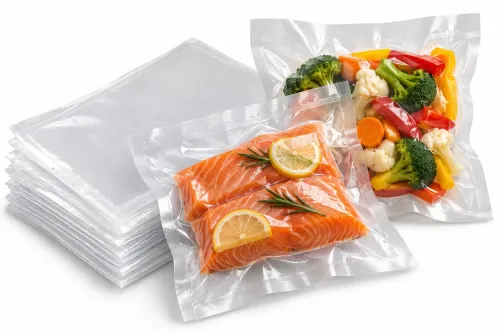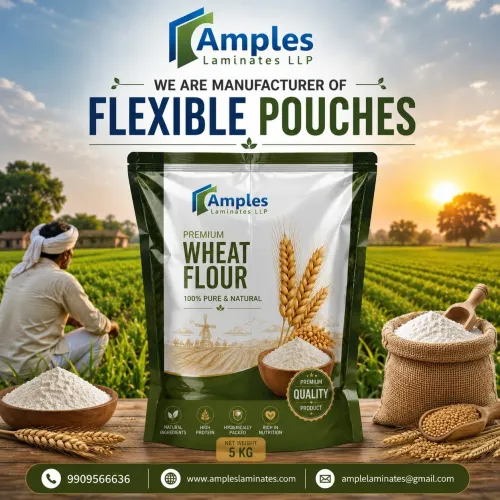
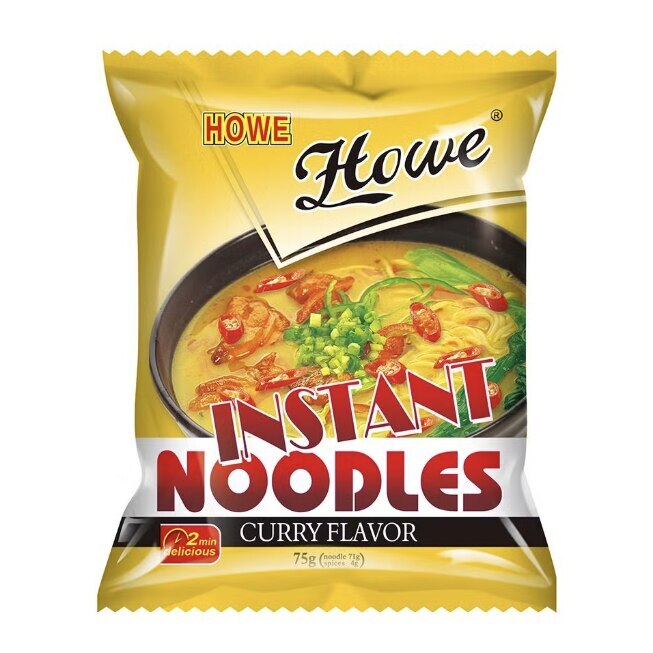
A center-seal pouch is a package shape, not a guarantee of moisture, oxygen, aroma, puncture, or seal performance. By matching the pouch structure, dimensions, opening style, and filling-line tests to the product’s physical properties, you can compare formats and request a specification that works in production.
Key takeaways
- Match laminate barriers to moisture, oxygen, light, and aroma risks.
- Specify pouch width, length, gusset, seal width, and fill weight.
- Use vacuum or zipper formats when air removal or repeated access matters.
- Run drop, seal-strength, leak, and line-speed tests before approval.
Which products fit a center-seal pouch, and why?
Center-seal pouches fit products that need controlled moisture, oxygen, aroma, or light protection without excessive crushing during filling and transport. Particle size, bulk density, fat content, sharp edges, powder dust, and flowability determine the risk; fill weight alone does not. Compare the finished pouch’s WVTR, not just film thickness, for moisture-sensitive foods.
- Milk powder, soup powder, seasoning, flour, and instant meal powders need low water-vapour transmission and clean seals. Moisture ingress causes caking, poor flow, and blocked filling equipment.
- Chips, noodle blocks, and fragile inclusions need puncture and flex-crack resistance. A thin high-barrier film can fail after conveying, carton loading, or compression.
- Fat-rich pet food and dry fruit need oxygen protection, aroma retention, and stronger packaging because oxidation creates rancid odours and weakens consumer acceptance.
- Powder dust demands a product-free seal zone, air cleaning, and hot-tack testing; contamination creates channels even when the laminate has excellent barrier values.
- Coffee and aromatic foods need oxygen transmission testing, such as ASTM D3985, plus aroma and light evaluation. A flour pouch is not automatically a coffee pouch.
| Product | Principal failure mode | Test to prioritise |
|---|---|---|
| Instant meal powder | Caking or lost flowability | Finished-pouch WVTR and seal-contamination test |
| Seasoning or milk powder | Dust in seal and moisture pickup | WVTR, hot tack, and leak test |
| Dehydrated vegetables | Moisture uptake and puncture | WVTR, flex, and drop test |
| Chips or noodle blocks | Crushing or puncture | Compression, puncture, and post-flex leak test |
| Pet food or dry fruit | Fat oxidation and aroma loss | Oxygen transmission, aroma retention, and drop test |
How should the laminate match moisture, oxygen, light, and aroma risks?
Moisture-sensitive powders need a lower finished-laminate WVTR than flour or salt, while coffee needs oxygen, aroma, and light protection. Center-seal geometry does not set barrier level; specify the complete laminate, sealant, print surface, adhesive, and total thickness.
| Product | Structures to compare | Main checks |
|---|---|---|
| Dry foods, powders, flour | PET/PE or PET/PP; metallized PET with PE or PP sealant | Finished-laminate WVTR at stated temperature and relative humidity; seal contamination |
| Oily snacks and pet food | PET/PE or PET/PP; metallized PET when light and oxygen matter | Oxygen transmission, aroma retention, puncture and flex resistance |
| Coffee | Metallized PET/PE or PET/PP; foil laminate for stronger barrier | ASTM D3985 oxygen transmission, aroma retention, light protection, seal integrity |
| Dry fruit | Metallized PET/PE or foil laminate with a suitable sealant | Oxygen, aroma, oil resistance, flex-crack and pinhole testing |
| Sterilised ready-to-eat meals | Retort-rated PET or nylon/foil structures with a retort sealant | Retort process validation, delamination, seal creep, and post-process barrier |
Polyethylene or polypropylene supplies the heat-sealing layer; polyester adds printability and stiffness. Metallized polyester gives strong gas and light protection at lower material weight, while aluminium foil provides a more robust barrier but can develop pinholes or cracks during flexing.
- Compare the finished pouch, not film in isolation.
- Request post-converting WVTR, oxygen transmission, aroma-retention, light, puncture, and flex data.
- Ask an instant food packaging manufacturer in Ahmedabad to document the actual adhesive, ink, and sealant construction.
An ordinary dry-food laminate is not automatically retortable. Heat, pressure, and moisture demand a validated retort-rated laminate, pouch geometry, and sealing process.
How do you choose pouch dimensions and write a usable specification?
Choose dimensions from occupied volume, not fill weight. Calculate fill volume from product mass and bulk density, then add headspace for settling, nitrogen flushing, or expansion. Product shape determines the clearance: flour flows into corners, while irregular snacks and aerated meal components leave voids.
| Product | Dimension allowance | Reason |
|---|---|---|
| Flour | Extra seal clearance and controlled headspace | Fine dust contaminates seals and low density increases volume |
| Irregular snack pieces | Wider pouch and stronger seal area | Voids and sharp edges raise puncture and crushing risk |
| Pet kibble | Length and width based on piece size | Large, hard pieces need drop and corner clearance |
| Aerated meal components | More headspace | Low bulk density and trapped air make the pack expand or collapse |
Gusset or fin geometry changes the usable width; longitudinal and transverse seal areas reduce the internal volume. Confirm web width and pouch length with a filled trial, not a weight chart. Buyers comparing printed center seal pouches in Gujarat should specify:
- Laminate layers, total thickness, web width, pouch length, longitudinal seal width, transverse seal width, and sealant resin
- Tear notch, print surface, reverse or surface printing, roll direction, repeat length, and filling direction
- Actual adhesive, ink, and coating food-contact compliance for the intended use; reject an unqualified “food-grade” claim. For US sales, check the applicable 21 CFR parts 174–178 coverage.
Ask for a dimensioned drawing and filled-pouch sample before approving production.
When is center seal better than vacuum, zipper, three-side-seal, or stand-up formats?
For dense powders, flour, seasoning, and compact meal mixes, instant food center seal pouches usually win on fast filling, efficient web use, and a small seal footprint. Choose another format when the product needs repeated access, upright display, or protection from compression.
| Format | Retail presentation and reclosure | Filling, headspace, and protection | Best fit |
|---|---|---|---|
| Standard center-seal | Compact graphics; no reclosure | Fast lines; controlled headspace; barrier depends on laminate and seals | Single-use powders, meals, and snacks |
| Vacuum-capable center-seal | Tighter pack; limited reclosure | Removes air from dense products but can crush chips, dry fruit, inclusions, or aerated components | Dense coffee, flour, or compact meal products |
| Zipper pouch | Strong shelf convenience; resealable | Slower filling and more hardware; zipper consumes headspace and adds a leak path | Multi-use snacks, pet food, and dry fruit |
| Three-side-seal | Flat, simple retail pack; usually single-use | Easy filling; less efficient for bulky products; good seal-area control | Sachets, samples, and portioned powders |
| Stand-up pouch | Strong shelf presence; optional zipper | More material and setup; needs bottom geometry and stable filling | Larger snacks, pet food, and premium dry foods |
Specify whether the line uses nitrogen flushing, a vacuum-gas cycle, or no gas. Nitrogen lowers residual oxygen at packing, but it cannot replace an oxygen barrier or an intact seal; oxygen ingress during storage still controls performance.
Woven polypropylene bags solve bulk handling, stacking, and mechanical-load problems. They do not replace a validated high-barrier retail inner pack. For retort meals, use a retort-rated laminate, sealant, geometry, and validated thermal process—not an ordinary dry-food pouch.
What filling-line and supplier tests prove that the pouch will work?
Approve the pouch only after a seal-window trial using the actual product, laminate, filling machine, and intended speed range. Request records for seal temperature, dwell time, jaw pressure, line speed, cooling conditions, and results at the operating limits—not a generic setting copied from another pack.
Ask the supplier to document:
- Powder-free longitudinal and cross-seal zones, plus dust extraction or air cleaning.
- Fin-seal alignment, sealant resin, seal width, and the control used to prevent product entering the seal.
- Hot-tack performance while product weight or web tension loads the fresh seal.
- Leak results at low, nominal, and high speed, including the stated method and sample count.
| Evidence | What it proves | Do not substitute it with |
|---|---|---|
| ASTM F88/F88M seal strength | Force needed to separate a cooled seal | A claim that the seal is “strong” |
| Channel and pinhole testing | Small leak paths through or beside the seal | Seal-strength readings alone |
| Gross-leak testing | Large holes, open seals, or failed closures | Visual inspection alone |
| Puncture, drop, compression, and post-flex leak tests | Transport durability for sharp or rigid products | A flat-pack laboratory result |
An instant food center seal pouch manufacturer in Ahmedabad should provide laminate construction, food-contact compliance certificates for the actual ink, adhesive, coating, and use, and the complete test report. Amples Laminates LLP belongs in the same comparison as any instant food packaging manufacturer in Ahmedabad: judge documented testing, not price or micronage.
For printed center seal pouches in Gujarat, also verify print surface, registration tolerance, roll direction, and repeat length.
Related products
 | Center Seal Pouches Instant Food Center Seal Pouches Manufacturers We are also supply in Andhra Pradesh, Arunachal Pradesh, Assam, Bihar, Chhattisgarh, Goa, Gujarat, Haryana, Himachal Pradesh,... View product → |
 | Vacuum pouch Manufacturers We are also supply in Andhra Pradesh, Arunachal Pradesh, Assam, Bihar, Chhattisgarh, Goa, Gujarat, Haryana, Himachal Pradesh,... View product → |
Frequently asked questions
Which instant foods fit a center-seal pouch?
Dry, free-flowing products such as spice blends, soup powders, noodles, grains, snacks, and drink mixes fit when particle size, density, dust, fat, and sharp edges match the pouch design.
How do you choose laminate barriers for instant food pouches?
Compare the finished pouch’s WVTR for moisture protection, oxygen transmission rate for oxidation control, light protection for sensitive ingredients, and aroma barrier for volatile flavors.
What dimensions belong in a center-seal pouch specification?
State finished width, length, gusset or side dimensions, fill weight, seal width, film structure, thickness, artwork, tolerances, and the product’s bulk density and particle size.
What tests prove a center-seal pouch will work?
Run filling-line trials at target speed, seal-strength checks, leak testing, drop testing, burst testing, dimensional checks, and storage trials with the actual product.
Related products
 | Center Seal Pouches Manufacturers We are also supply in Andhra Pradesh, Arunachal Pradesh, Assam, Bihar, Chhattisgarh, Goa, Gujarat, Haryana, Himachal Pradesh,... View product → |
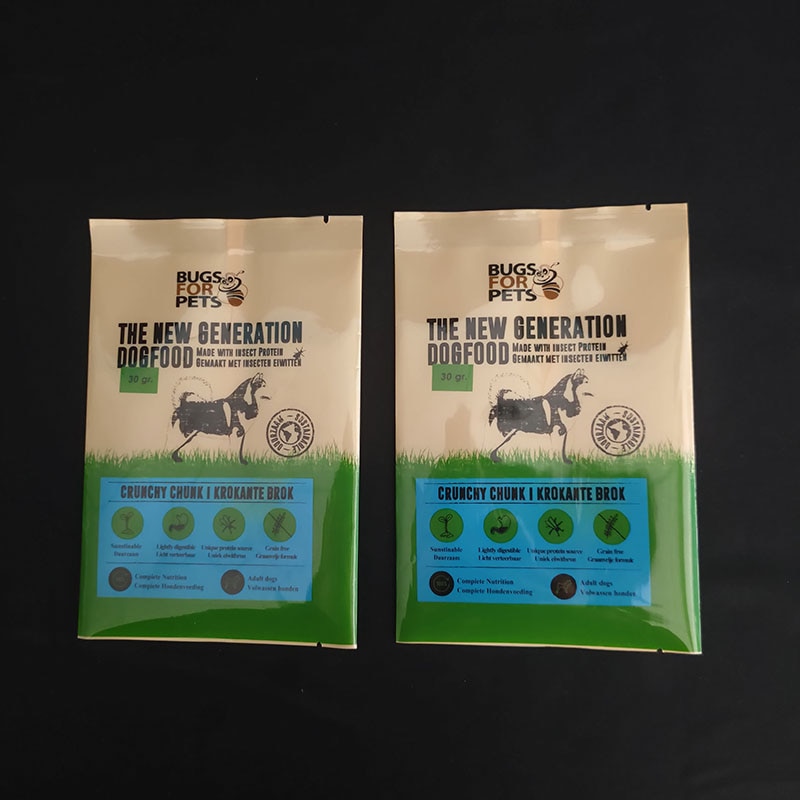 | Center Seal Pouches Manufacturers We are also supply in Andhra Pradesh, Arunachal Pradesh, Assam, Bihar, Chhattisgarh, Goa, Gujarat, Haryana, Himachal Pradesh,... View product → |
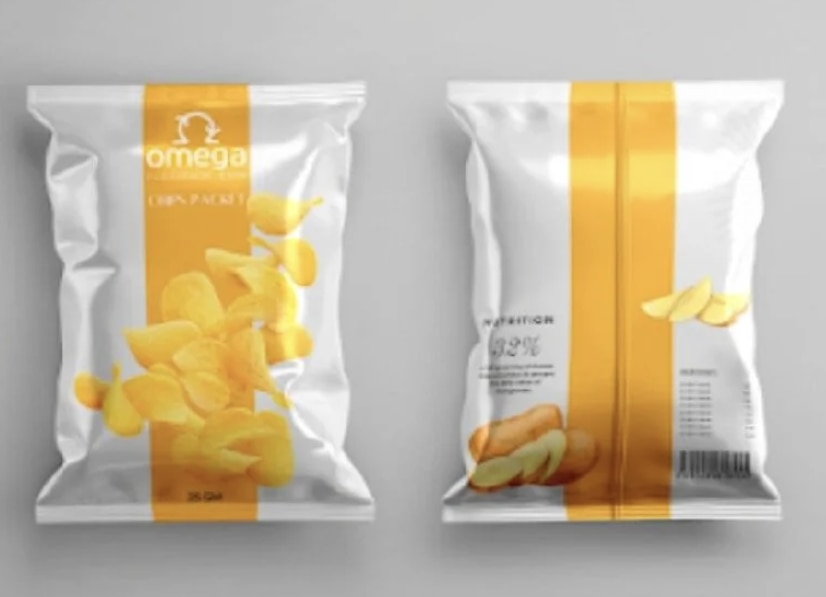 | Center Seal Pouches Manufacturers We are also supply in Andhra Pradesh, Arunachal Pradesh, Assam, Bihar, Chhattisgarh, Goa, Gujarat, Haryana, Himachal Pradesh,... View product → |
 | Center Seal Pouches Powder Product Center Seal Pouches Manufacturers We are also supply in Andhra Pradesh, Arunachal Pradesh, Assam, Bihar, Chhattisgarh, Goa, Gujarat, Haryana, Himachal Pradesh,... View product → |
Keywords