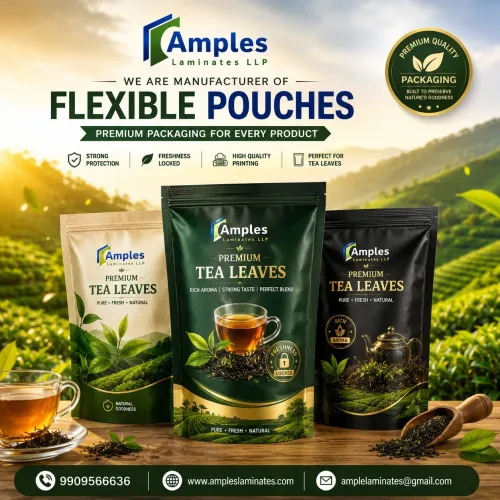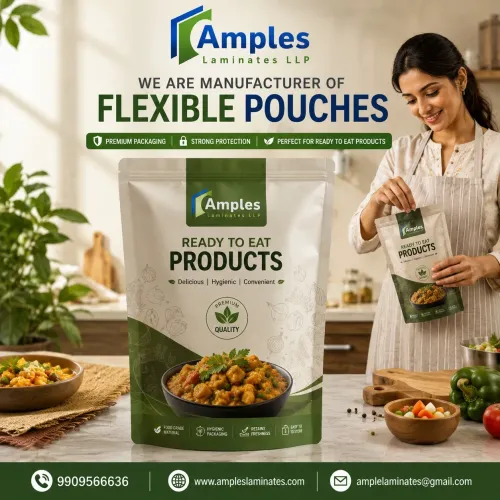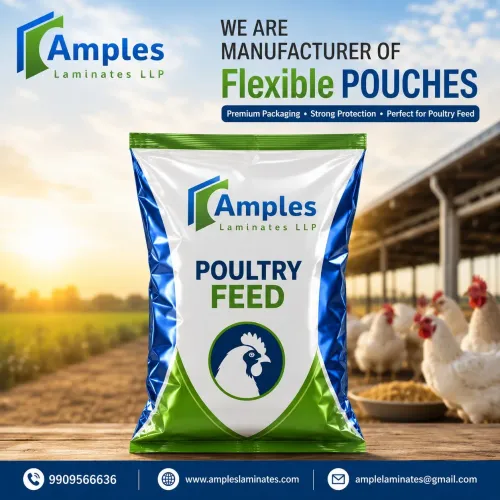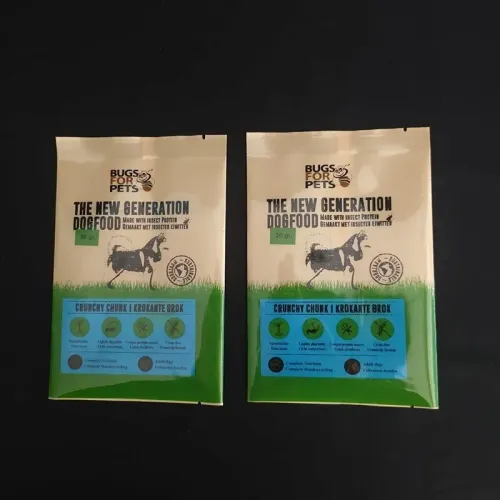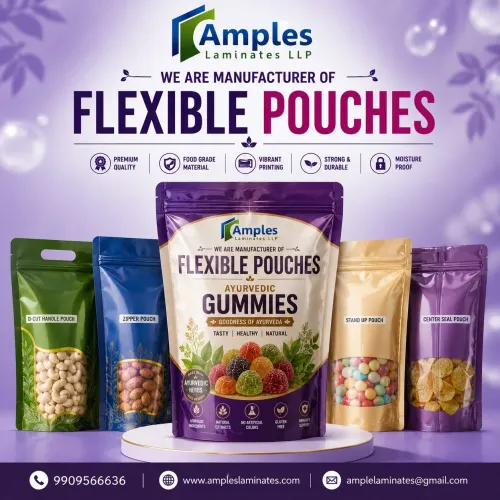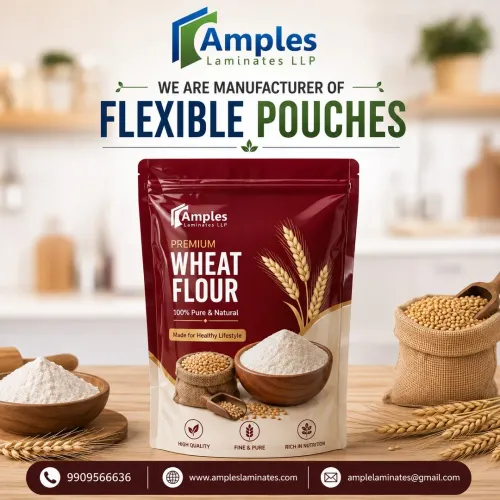
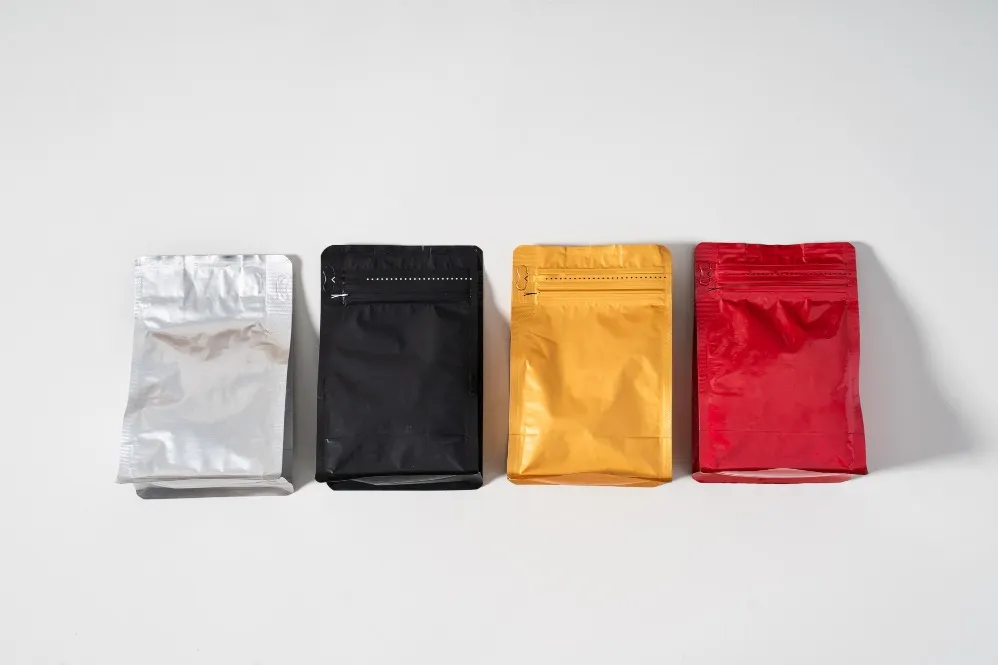
Three side seal pouches are formed by sealing three edges while leaving one side open for filling. After the product is inserted, the remaining edge is sealed by the packer. Their flat profile makes them suitable for compact portions, samples and products that do not require a standing base.
The format is used across food, healthcare, personal care, industrial and promotional applications. Its simple appearance can conceal a high degree of customisation in materials, dimensions and accessories.
Why Businesses Choose Three Side Seal Pouches
Three side seal construction provides a broad uninterrupted front and back panel. This makes it useful for printed communication and for products that need to lie flat during display, storage or transportation.
Potential benefits include:
- Efficient use of storage space
- Good printable surface area
- Suitability for small portions
- Controlled seal geometry
- Compatibility with tear notches
- Optional zipper or hang-hole features
- Use with high-barrier laminates
- Convenient bundling in cartons
The format may also be suitable for trial packs that allow brands to introduce customers to a product without offering a full-sized quantity.
Common Applications
Three side seal pouches can be used for:
- Spices and seasoning sachets
- Dry fruits
- Tea and coffee samples
- Confectionery
- Nutritional powders
- Diagnostic or healthcare items
- Small components
- Seeds
- Personal-care products
- Promotional samples
The actual suitability depends on regulatory requirements, product characteristics and filling conditions.
Getting the Size Right
Pouch dimensions should be calculated from product volume rather than weight alone. Fine powders, granules and irregular solid products occupy different amounts of space even when their weight is identical.
A development trial should evaluate:
- Filling opening
- Required headspace
- Final seal width
- Product movement inside the pouch
- Display orientation
- Coding area
- Carton fit
- Customer opening experience
A pouch that is too wide can waste laminate and appear underfilled. One that is too narrow may slow filling or allow product to enter the sealing area.
Barrier and Seal Requirements
The laminate must protect the contents for the expected shelf life. Food powders may need moisture protection, while aroma-sensitive products may require additional barrier performance. Sharp or hard components can call for greater puncture resistance.
Seal quality is equally important. Buyers should verify that their sealing equipment can create a dependable final seal without damaging the laminate. Seal contamination is a particular concern with powders, granules and oily products.
Adding Convenience Features
Although three side seal pouches are structurally simple, they can incorporate useful features. Tear notches help users open the pack without tools. A zipper can support multiple uses, while a hang hole allows display on retail hooks.
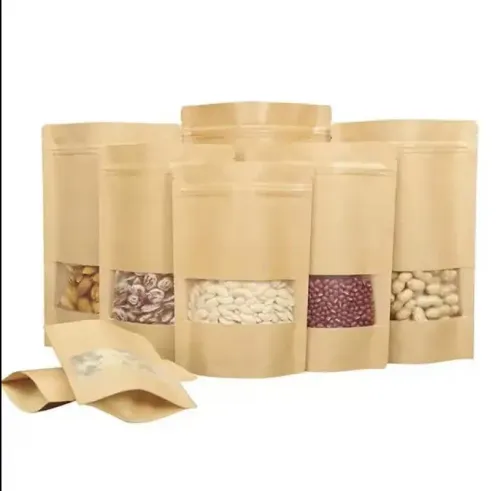
Transparent windows may be used when product visibility is desirable and consistent with barrier requirements. Surface finishes can also be selected to suit the brand’s visual direction.
Each addition should be assessed for its effect on cost, manufacturing complexity and available print space.
A Practical Option for Gujarat Businesses
Manufacturers and wholesalers across Gujarat often require packaging for samples, small retail portions, institutional supplies and export consignments. Three side seal pouches can serve these needs when a stable standing base is unnecessary.
Amples Laminates LLP produces laminated pouch formats for B2B packaging requirements. Businesses should provide product samples, desired quantities and sealing information before finalising specifications.
The three side seal pouch remains valuable because of its adaptability. By selecting appropriate dimensions, laminate performance and opening features, companies can create a compact pack that protects the product without introducing unnecessary structural complexity.
Keywords