PET PE pouches are commonly used in flexible packaging because the two materials can provide a practical combination of printability, strength and heat-sealing performance. PET generally forms the outer layer, while PE serves as the inner product-contact and sealing layer.
Although the structure is widely used, it is not a universal solution. Buyers should assess product compatibility, barrier needs, pouch format and distribution conditions before confirming it.
What Each Layer Contributes
PET, or polyethylene terephthalate, can offer dimensional stability, clarity, strength and a suitable surface for reverse printing. PE, or polyethylene, is often selected for its flexibility and heat-sealing characteristics.
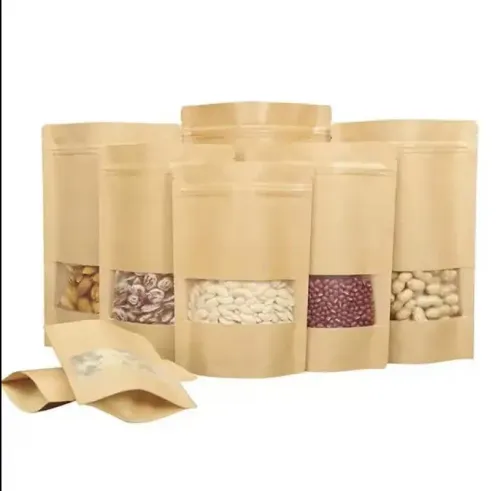
After printing, the layers are laminated to create a combined structure. Depending on the application, the resulting material can be converted into:
- Three side seal pouches
- Center seal pouches
- Stand-up pouches
- Zipper pouches
- Vacuum-style packs for suitable uses
- Flat pouches
- Gusseted formats
The exact grade and thickness of each material affect the finished pack’s performance.
Applications That May Suit PET PE
A PET PE laminate may be considered for various dry, powdered, granular or non-aggressive products, including:
- Grains and pulses
- Spices
- Snacks
- Dry fruits
- Confectionery
- Bakery ingredients
- Detergent powders
- Household products
- Selected industrial components
- Textile or general merchandise items
Suitability should be confirmed where the product contains significant oil, strong aroma, sharp edges or components that could interact with the film.
Barrier Requirements Need Separate Attention
PET PE can offer useful general-purpose performance, but some products require higher resistance to oxygen, moisture, light or aroma transmission. A two-layer structure should not be selected merely because it has worked for a different product.
Procurement managers should define:
- Expected shelf life
- Product sensitivity
- Storage temperature
- Humidity exposure
- Distribution distance
- Filling conditions
- Need for light protection
- Applicable product-contact requirements
If the standard structure does not meet these needs, the manufacturer may recommend a different or additional barrier layer.
Thickness Is Not the Only Quality Measure
Buyers sometimes compare laminates entirely by total thickness. While thickness is important, it does not reveal how the layers are distributed or whether the structure is appropriate for the intended use.
Performance also depends on:
- Film grade
- Lamination bond
- Printing quality
- Sealant behaviour
- Puncture resistance
- Dimensional consistency
- Surface treatment
- Conversion accuracy
Two pouches with similar thickness can perform differently because their materials and manufacturing controls are different.
Confirm Sealing on the Actual Equipment
The PE layer must seal reliably within the operating range of the buyer’s machinery. Excessive temperature can distort or damage the pouch, while insufficient heat may create weak seals.
A production trial should assess sealing temperature, pressure, dwell time and line speed. Powder or oil in the seal area must also be controlled because contamination can prevent complete bonding.
Buying PET PE Pouches in Gujarat
FMCG brands, food processors, exporters and wholesalers across Gujarat use laminated packaging for both retail and institutional products. Buyers seeking PET PE pouches should provide more than dimensions and quantity. Product details, filling equipment, shelf-life expectations and distribution conditions are necessary for a responsible recommendation.
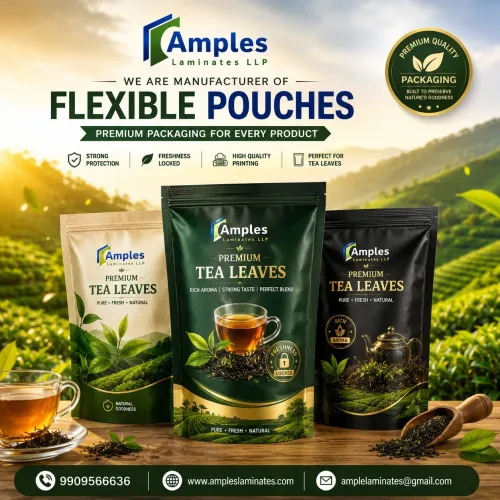
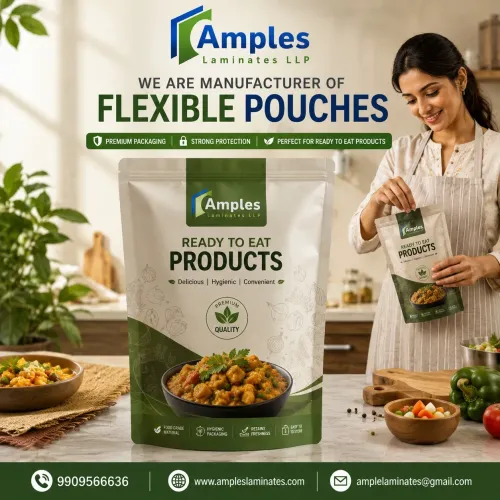
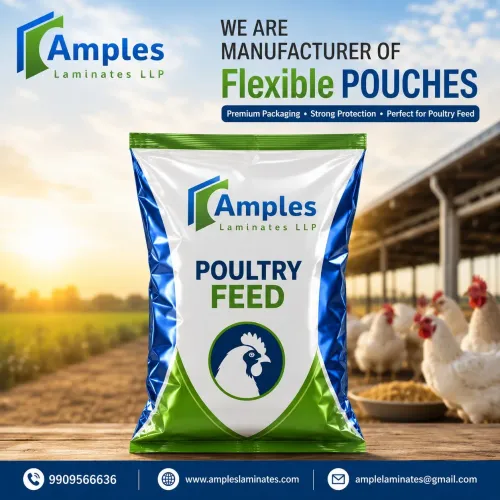
Amples Laminates LLP manufactures flexible laminated pouches for commercial packaging applications. The company can evaluate requirements based on format, structure, printing and order planning, subject to product-specific trials and approvals.
PET PE pouches can be an efficient choice when their properties match the application. The best procurement decision is not to request the most common laminate, but to confirm that the selected structure protects the contents, seals consistently and performs reliably throughout storage and distribution.
Keywords