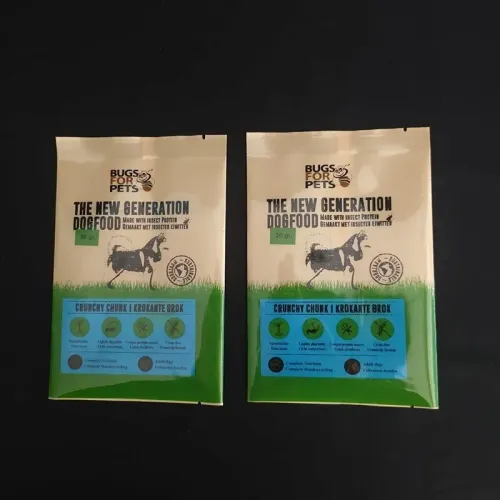
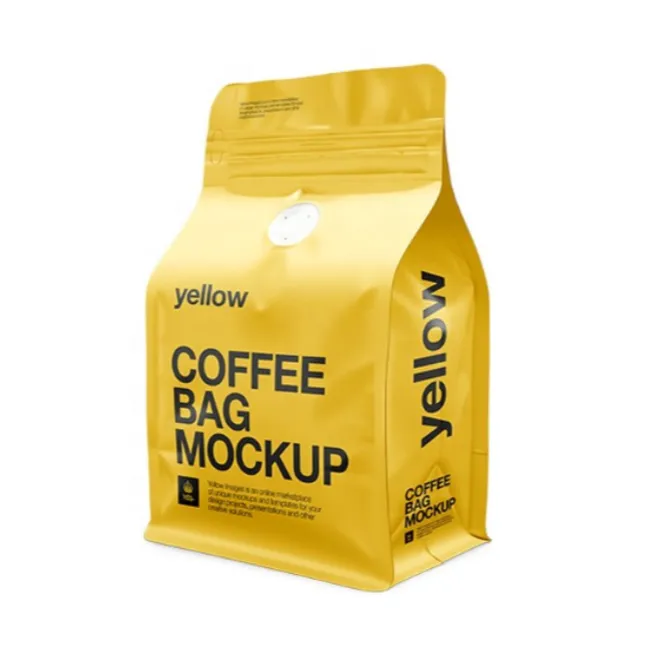
Flat bottom pouches are designed with a stable base and multiple printable panels. Their box-like shape can provide strong shelf presentation while retaining many of the storage and transportation advantages of flexible packaging. They are commonly considered for premium foods, coffee, pet products, nutrition items and speciality ingredients.
Because the format involves more complex construction than a basic pouch, buyers should evaluate its commercial value and technical suitability carefully.
What Distinguishes a Flat Bottom Pouch?
A flat bottom pouch typically includes front, back, side-gusset and bottom panels. When filled, these surfaces create a structured appearance and a broad base.
The format can provide:
- Stable shelf positioning
- Multiple branding panels
- Efficient use of display space
- Good product-to-pack proportions
- Optional resealable features
- Compatibility with selected barrier structures
- A premium visual presentation
Its stability depends on the product density, fill level, pouch dimensions and quality of construction. A trial with the actual product is essential.
Products Commonly Packed in This Format
Flat bottom pouches may be suitable for:
- Roasted coffee
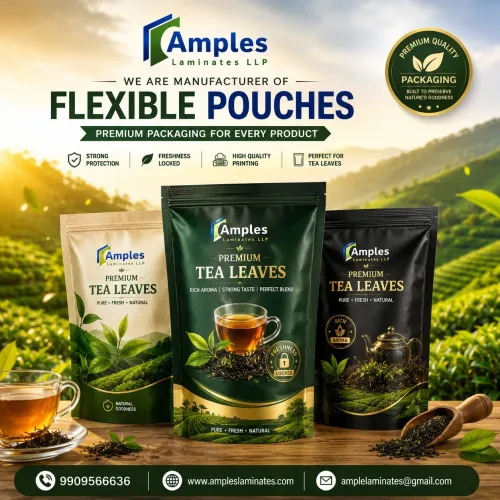
- Tea
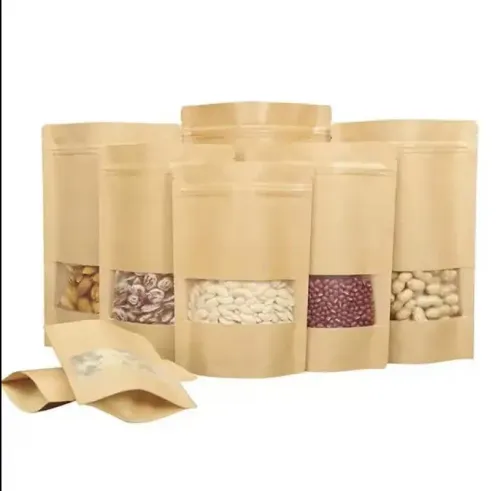
- Dry fruits
- Nuts
- Granola
- Premium snacks
- Protein and nutrition products
- Pet foods and treats
- Bakery ingredients
- Speciality grains
The format is especially useful when branding and shelf differentiation are important. For low-value or single-use products, a simpler pouch may provide better economics.
Evaluate Every Panel During Design
Unlike a standard flat pouch, this format offers several printable surfaces. Brands can use the front for recognition, side panels for product details and the back for instructions or mandatory declarations.
Artwork development should consider:
- Panel boundaries
- Gusset folds
- Sealing areas
- Zipper position
- Batch-coding space
- Barcode readability
- Bottom-panel orientation
- Print-registration tolerance
Important text should not fall into creases or sealed areas. A physical mock-up can help the design and procurement teams understand how the artwork will appear after filling.
Select Accessories With Purpose
Flat bottom packs may include zippers, tear notches, valves or other features. Coffee packaging, for example, may require a degassing solution depending on the product and packing process. A zipper can improve convenience for multi-use foods and pet products.
Every accessory affects cost and manufacturing. It should solve a genuine handling, storage or consumer-use requirement rather than being added only because it is available.
Confirm Filling Compatibility
The structured shape of a flat bottom pouch can influence filling and sealing operations. Buyers should determine whether the pack will be filled manually, semi-automatically or on compatible automated equipment.
Trials should confirm:
- Ease of opening
- Filling speed
- Product settling
- Required headspace
- Top-seal clearance
- Stability after filling
- Carton arrangement
- Finished-pack appearance
Pouch dimensions should be based on product volume and density. Using only the declared weight may produce a pack that looks overfilled or underfilled.
Is the Added Cost Justified?
Flat bottom construction can cost more than simpler pouch formats due to its material use and conversion complexity. The added investment may be justified when it supports better presentation, larger usable print areas or improved shelf stability.
Brands should compare the format against stand-up and side-gusset alternatives using the same product, fill weight and barrier expectations.
Amples Laminates LLP manufactures flexible laminated packaging for businesses in Gujarat and wider distribution markets. Procurement teams can improve development efficiency by providing product samples, target dimensions, artwork requirements and expected quantities early in the process.
Flat bottom pouches are most suitable when their structure contributes measurable value to the pack. A successful specification combines visual impact with reliable seals, appropriate protection and compatibility with the brand’s filling operation.
Keywords