Seeds are highly sensitive agricultural products that require careful handling from processing to storage and distribution. Whether they are vegetable seeds, flower seeds, grain seeds, or hybrid crop seeds, maintaining their quality is essential for preserving germination rates and customer confidence. One of the most overlooked factors in seed quality is packaging.
Choosing the right seeds packaging pouches is not simply about containing the product. The packaging must protect seeds from moisture, sunlight, oxygen, and physical damage while making transportation and storage more efficient. For agricultural businesses across Gujarat and India, selecting the appropriate packaging can directly influence product performance and market reputation.
Why Seed Packaging Matters
Seeds remain biologically active even after processing. Improper storage conditions can gradually reduce their viability, leading to lower germination rates and dissatisfied customers.
Quality packaging helps protect seeds from:
- Moisture ingress
- Temperature fluctuations
- Dust and contamination
- UV exposure
- Insect infestation
- Physical damage during transportation
A well-designed laminated pouch acts as a protective barrier that keeps seeds in optimal condition until they reach farmers or distributors.
Important Features to Look For
Not every packaging material is suitable for agricultural products. Seed manufacturers should evaluate several characteristics before selecting a packaging solution.
Essential features include:
- Strong moisture barrier
- High puncture resistance
- Durable laminated construction
- Secure heat sealing
- Excellent print quality
- Lightweight yet robust material
These features help maintain product integrity throughout the supply chain.
Selecting the Right Pouch Style
Different seed categories require different packaging formats depending on weight, storage duration, and customer requirements.
Common options include:
- Three-side seal pouches for smaller retail packs
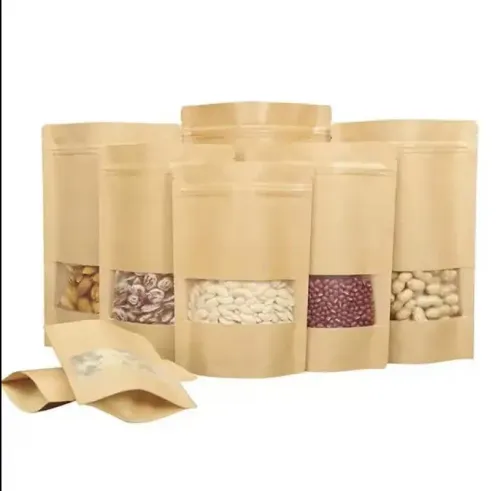
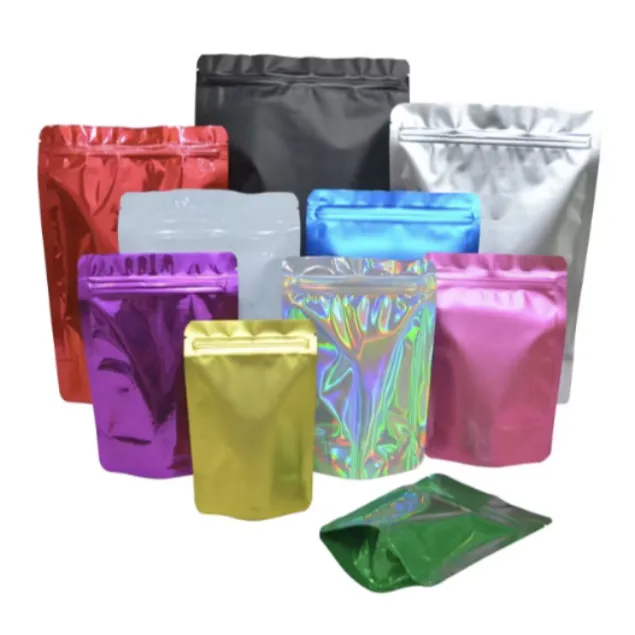
- Stand-up pouches for premium seed products
- Centre seal pouches for bulk distribution
- Laminated bags for larger agricultural quantities
The correct format depends on handling convenience, storage conditions, and branding objectives.
Common Packaging Mistakes
Many businesses unintentionally reduce product quality by choosing packaging based solely on price.
Some frequent mistakes include:
- Using low-barrier materials
- Weak sealing that allows moisture entry
- Poor-quality printing that fades during storage
- Packaging sizes unsuitable for transportation
- Inconsistent laminate quality
Avoiding these issues helps reduce product returns and strengthens customer trust.
Why Custom Packaging Is Beneficial
Every seed variety has unique storage requirements. Hybrid seeds, vegetable seeds, and cereal grains may require different laminate structures and pouch sizes.
Custom packaging allows businesses to:
- Improve product identification
- Add batch and traceability information
- Enhance shelf presentation
- Protect products during export
- Support efficient warehouse management
Packaging tailored to the product performs far better than generic solutions.
The Advantage of Manufacturing in Gujarat
Gujarat has become one of India's leading industrial and agricultural manufacturing regions. Packaging manufacturers in the state serve seed companies across domestic and export markets by providing reliable production capacity and modern manufacturing technology.
Businesses also benefit from:
- Faster logistics
- Strong supply chain connectivity
- Access to high-quality raw materials
- Skilled manufacturing expertise
These advantages make Gujarat an ideal location for sourcing agricultural packaging.
Choosing a Reliable Packaging Partner
A dependable packaging supplier contributes to more than attractive pouches. The right partner supports consistency, product protection, and long-term operational efficiency.
Before finalizing a supplier, businesses should assess:
- Manufacturing infrastructure
- Quality control systems
- Experience in agricultural packaging
- Material certification
- Customization capability
- Production capacity
Many agricultural businesses evaluate manufacturers such as Amples Laminates LLP because of their experience in producing customized laminated packaging for multiple industries. Working with an experienced provider helps seed manufacturers deliver products that remain protected from production facilities in Gujarat to distributors and farmers across India.
Keywords