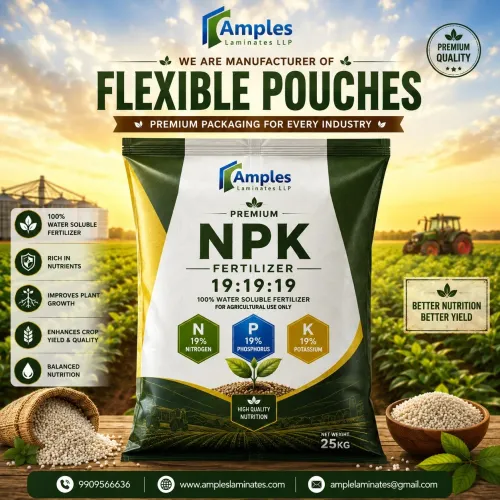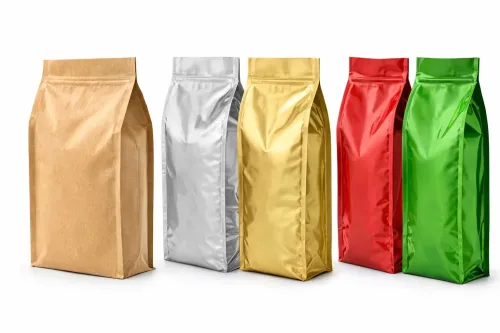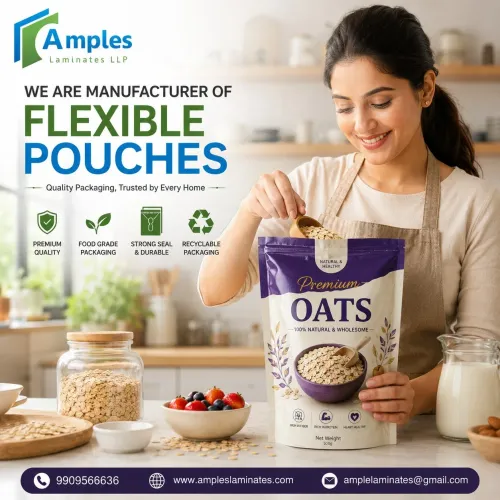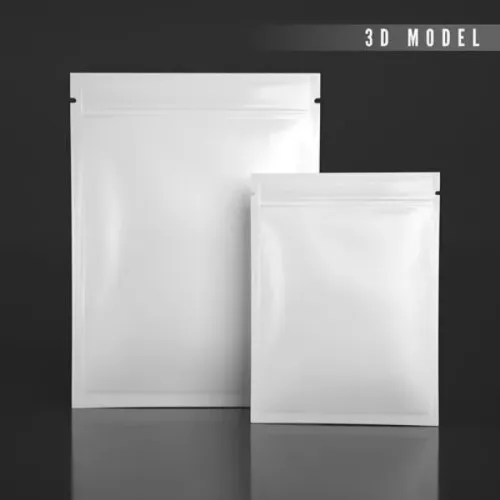
For FMCG brands and food manufacturers, packaging is part of the product experience. It protects the contents, communicates essential information, supports shelf presentation and influences how customers perceive the brand. An OEM packaging supplier helps businesses develop packaging that aligns with these requirements while maintaining consistency across repeated production cycles.
OEM packaging manufacturing is particularly useful for companies that need packaging produced according to their own specifications. The buyer defines requirements such as pouch dimensions, material structure, barrier properties, printing, sealing format and order quantity. The manufacturer then converts those requirements into production-ready packaging.
What Does an OEM Packaging Supplier Provide?
An OEM supplier manufactures packaging for another company’s brand. Depending on the project, its responsibilities may include:
- Recommending suitable laminate structures
- Developing pouch dimensions and formats
- Printing brand artwork and product information
- Laminating multiple film layers
- Converting rolls into finished pouches
- Checking seals, dimensions and print alignment
- Planning repeat production according to demand
This arrangement allows brands to source professionally manufactured packaging without establishing their own printing, lamination and pouch-conversion facilities.
Why Material Selection Matters
Flexible packaging performance depends heavily on the laminate structure. No single film is suitable for every product. Dry snacks, spices, frozen foods, liquids, agricultural products and household items may each require different levels of protection.
The packaging structure may need to provide resistance against:
- Moisture
- Oxygen
- Light
- Aroma loss
- Grease
- Punctures
- Handling pressure
- Temperature variations
A dependable OEM packaging supplier evaluates the product, filling method, expected shelf life, storage environment and distribution conditions before recommending a structure. Selecting films purely on price can result in weak seals, product deterioration or avoidable material use.
Consistency Across Production Batches
Procurement managers often need the same pouch to be reproduced over several months or years. Changes in colour, pouch size, seal strength or material feel can create problems on filling lines and affect brand presentation.
Production consistency depends on controlled specifications. These typically cover:
- Approved dimensions and tolerances
- Film type and thickness
- Printing shades and artwork placement
- Lamination quality
- Sealing parameters
- Zipper, spout or valve placement
- Packing and dispatch requirements
Maintaining approved samples and documented specifications helps reduce variation between orders.
Support for Growing Brands
A flexible OEM arrangement can serve established businesses as well as growing brands. A company may begin with one product and later introduce additional flavours, sizes or packaging formats. Working with a manufacturer capable of handling multiple pouch constructions can simplify this expansion.
For businesses operating in Gujarat, access to major industrial centres such as Ahmedabad, Vadodara, Surat and Rajkot can also support practical coordination with food processors, FMCG manufacturers, exporters and wholesale distributors.
Amples Laminates LLP works within this manufacturing ecosystem by producing flexible packaging and laminated pouch solutions for varied commercial applications. The suitability of any packaging format should still be confirmed against the actual product and supply-chain conditions.
Information to Share Before Development
Clear input helps an OEM supplier recommend an appropriate solution. Buyers should provide:
- Product type and physical characteristics
- Required net quantity
- Preferred pouch format
- Filling temperature and process
- Manual or automatic filling method
- Expected shelf life
- Storage and transportation conditions
- Printing and branding requirements
- Estimated order frequency
- Applicable testing or compliance needs
If an existing pouch is available, it may be reviewed as a reference. However, repeating an old specification without understanding its performance can preserve unnecessary cost or unresolved packaging problems.
The right OEM packaging relationship is built on technical clarity, repeatability and realistic production planning. When material selection, artwork, pouch construction and quality expectations are defined before manufacturing begins, packaging becomes easier to procure and more reliable throughout the product lifecycle.
Keywords